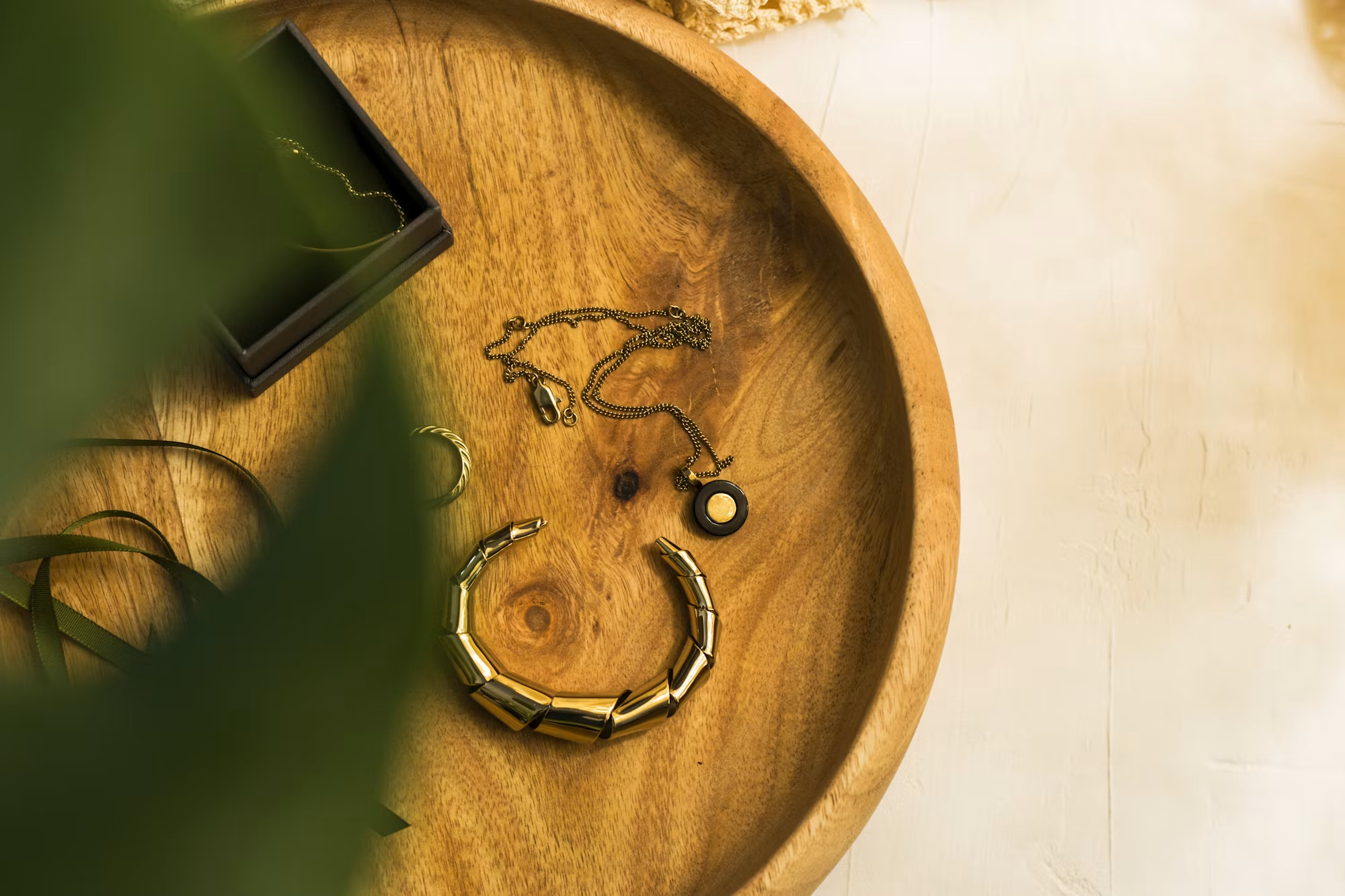




In recent years, the conversation around sustainability and ethical consumption has gained momentum across various industries, including fashion. Among the many facets of this movement, ethical jewelry stands out as a way for individuals to express their personal style while making conscientious choices. This article delves into the world of ethical jewelry, exploring sustainable practices, the significance of transparency, and how to select pieces that align with your values.
The Rise of Ethical Jewelry
Ethical jewelry refers to pieces created with consideration for the environment and the people involved in their production. As consumers become more aware of the impact their purchases have on the planet and society, there is a growing demand for jewelry that reflects these values. This shift has led to an increase in brands that prioritize ethical sourcing, sustainable materials, and fair labor practices.
The rise of ethical jewelry is rooted in a desire for transparency. Many consumers want to know where their products come from, how they are made, and who is involved in the process. This demand for information has prompted brands to adopt more sustainable practices and communicate their efforts to consumers. As a result, ethical jewelry has become a significant trend in the fashion industry, appealing to those who wish to make responsible choices while still expressing their individuality through adornments.
Sustainable Practices in Jewelry Production
Sustainability in jewelry can take many forms. One of the primary focuses is the sourcing of materials. Ethical jewelers often use recycled metals, which help reduce the demand for newly mined materials. By repurposing existing metals, these brands minimize their environmental footprint and promote a circular economy.
Additionally, ethically sourced gemstones are gaining popularity. Many jewelers now offer diamonds and other gemstones that are certified conflict-free, ensuring that they are not sourced from regions where mining contributes to human rights abuses or environmental degradation. Lab-grown diamonds are also emerging as a sustainable alternative, providing a guilt-free option that looks and feels just as luxurious as their mined counterparts.
Another aspect of sustainability is the use of eco-friendly packaging. Ethical jewelry brands are increasingly opting for recycled or biodegradable materials for their packaging, minimizing waste and environmental impact. This attention to detail showcases a commitment to sustainability that resonates with conscious consumers.
The Importance of Transparency
Transparency is a cornerstone of the ethical jewelry movement. Consumers are increasingly seeking information about the origins of their jewelry and the conditions under which it was made. Brands that prioritize transparency often provide detailed information about their sourcing practices, production methods, and the people involved in their supply chains.
For example, some ethical jewelers share stories about the artisans who create their pieces, highlighting their skills and the cultural significance of their work. This narrative approach not only fosters a deeper connection between the consumer and the jewelry but also supports fair trade practices by ensuring that artisans receive fair compensation for their labor.
Furthermore, certifications and labels can help consumers identify ethical brands. Organizations like Fair Trade and the Responsible Jewellery Council provide guidelines and certifications for brands that adhere to ethical practices. By choosing jewelry from certified brands, consumers can make informed decisions that align with their values.
How to Choose Ethical Jewelry
Choosing ethical jewelry involves more than just selecting beautiful pieces; it requires consideration of the values behind the brands. Here are some key steps to help you navigate the world of ethical jewelry:
1. Research Brands: Take the time to research brands that resonate with you. Look for those that prioritize sustainable materials, ethical sourcing, and transparency in their production practices. Many ethical brands have dedicated sections on their websites outlining their commitment to sustainability and the steps they take to uphold these values.
2. Ask Questions: Don’t hesitate to reach out to brands with questions about their practices. Ethical jewelers often appreciate engaged consumers and are willing to share information about their sourcing, production methods, and labor practices. This interaction can provide valuable insights and help you make informed choices.
3. Check Certifications: Look for brands with certifications from recognized organizations that verify their ethical practices. Certifications like Fair Trade or conflict-free diamonds offer assurance that the jewelry has been produced responsibly.
4. Consider the Materials: Pay attention to the materials used in the jewelry. Recycled metals, ethically sourced gemstones, and sustainable packaging are all indicators of a brand’s commitment to sustainability.
5. Support Local Artisans: If possible, consider purchasing jewelry made by local artisans. This not only supports the local economy but also often ensures that the jewelry is made with care and attention to detail. Local artisans frequently use traditional techniques and can provide unique, one-of-a-kind pieces that reflect your personal style.
The Emotional Connection to Ethical Jewelry
Beyond the aesthetic appeal, ethical jewelry often carries a deeper emotional connection. Many consumers appreciate the stories behind their pieces, knowing that they are supporting artisans and sustainable practices. This connection transforms jewelry into more than just an accessory; it becomes a meaningful part of one’s identity and values.
Wearing ethical jewelry can also serve as a conversation starter, allowing you to share the story behind your piece and educate others about the importance of sustainable practices. This ripple effect can inspire friends and family to consider their purchasing habits and explore ethical options themselves.
The Future of Ethical Jewelry
As the demand for ethical jewelry continues to grow, the industry is likely to evolve in exciting ways. Innovations in technology, such as lab-grown gemstones and advanced recycling methods, will likely play a significant role in shaping the future of sustainable jewelry production. Moreover, as more consumers prioritize ethical choices, brands will continue to adapt and innovate to meet these expectations.
This shift towards ethical consumption is not just a trend; it represents a broader cultural movement towards sustainability and responsibility. By choosing ethical jewelry, consumers are not only enhancing their personal style but also making a positive impact on the world. Each purchase is a step toward supporting responsible practices and promoting a more sustainable future for the jewelry industry.
Conclusion
The world of ethical jewelry offers a beautiful intersection of style and conscience. By prioritizing sustainable practices and transparency, ethical jewelers are paving the way for a more responsible fashion industry. As consumers become more discerning about their purchases, the demand for ethical jewelry will continue to rise, encouraging brands to adopt practices that align with the values of their customers. By choosing ethical jewelry, individuals can express their unique style while making a meaningful contribution to a sustainable future. In this way, jewelry becomes a reflection of not only personal taste but also a commitment to the well-being of our planet and its people.